

Unearthing Joy: A Guide to Culturally and Historically Responsive Teaching and Learning by Gholdy Muhammad
Unearthing Joy expands upon Gholdy Muhammad's Culturally and Historically Responsive Education framework by placing joy at the center of teaching and learning. Muhammad challenges educators to design learning experiences that nurture students' identities while developing their intellect, critical thinking, creativity, and sense of belonging. The book provides practical strategies for creating classrooms where students experience learning as meaningful, empowering, and joyful.
Unearthing Joy expands upon Gholdy Muhammad's Culturally and Historically Responsive Education framework by placing joy at the center of teaching and learning. Muhammad challenges educators to design learning experiences that nurture students' identities while developing their intellect, critical thinking, creativity, and sense of belonging. The book provides practical strategies for creating classrooms where students experience learning as meaningful, empowering, and joyful.
Teachers and instructional coaches will appreciate the book's blend of research, reflection, and practical classroom applications. Muhammad provides curriculum examples, planning tools, and instructional frameworks that help educators redesign learning experiences to better serve all students while fostering wellness, beauty, justice, and hope.
While every chapter offers valuable insights, educators will find the sections on the five pursuits, curriculum design, and culturally and historically responsive teaching especially valuable for creating engaging and inclusive learning experiences.
Topics included in the book:
The Five Pursuits for joyful learning
Practical tools and planning templates
Curriculum examples across grade levels and content areas
Identity, intellect, criticality, and joy
Culturally and historically responsive teaching
A call for systemic change
Why would a teacher want to read this?
This resource reminds educators that teaching is about far more than standards and pacing guides—it's about creating learning experiences where every student feels seen, valued, and inspired. Teachers will gain practical tools for designing instruction that promotes identity, belonging, critical thinking, and joy while strengthening academic learning. As an instructional coach, I have redesigned portions of my own curriculum using Muhammad's framework and have seen firsthand how these practices benefit all students, making this one of my most highly recommended professional reads.

The Anxious Generation by Jonathan Haidt
The Anxious Generation examines how technology, social media, and changes in childhood experiences have contributed to rising levels of anxiety, decreased attention, and declining mental health among today's students. Jonathan Haidt combines research and data to help educators better understand the challenges many young people face both inside and outside the classroom.

The Anxious Generation examines how technology, social media, and changes in childhood experiences have contributed to rising levels of anxiety, decreased attention, and declining mental health among today's students. Jonathan Haidt combines research and data to help educators better understand the challenges many young people face both inside and outside the classroom.
Teachers and instructional coaches will appreciate the book's thoughtful exploration of how these societal shifts affect student engagement, behavior, and learning. While not an instructional guide, the book offers important context that can help educators better support students' academic and social-emotional needs.
While every chapter offers valuable insights, educators will find the sections on technology, attention, adolescent development, and school culture especially relevant to today's classrooms.
Topics included in the book:
Student well-being
Technology and social media
Mental health
Attention and focus
School culture
Adolescent development
Why would a teacher want to read this?
This resource helps educators better understand the social and emotional challenges many students experience today and how those challenges influence learning. Teachers will gain valuable insight into the factors affecting student engagement and be better equipped to create supportive learning environments that foster both academic and personal growth.
Visible Learning: The Sequel by John Hattie
Visible Learning: The Sequel builds on John Hattie's decades of educational research by examining the instructional practices that have the greatest impact on student achievement. The book helps educators better understand how evidence-based teaching practices can improve learning outcomes and guide instructional decision-making.
Visible Learning: The Sequel builds on John Hattie's decades of educational research by examining the instructional practices that have the greatest impact on student achievement. The book helps educators better understand how evidence-based teaching practices can improve learning outcomes and guide instructional decision-making.
Teachers and instructional coaches will appreciate Hattie's ability to translate complex research into practical ideas that can be applied in everyday classrooms. The book encourages educators to focus their time and energy on instructional practices that make the greatest difference for students.
While every chapter offers valuable insights, educators will find the sections on teacher clarity, feedback, assessment, and learning progressions especially helpful for maximizing student achievement.
Topics included in the book:
Evidence-based instruction
Teacher clarity
Feedback
Student achievement
Assessment
Learning progressions
Why would a teacher want to read this?
This resource helps educators understand which instructional practices have the greatest impact on student learning and provides research-based guidance for improving classroom instruction. Instructional coaches will also find this book to be an excellent resource for supporting data-informed conversations and professional learning.
The New Art and Science of Teaching by Robert J. Marzano
The New Art and Science of Teaching translates decades of educational research into a practical instructional framework that supports effective teaching and improved student learning. Robert Marzano provides evidence-based strategies that help educators intentionally plan instruction, engage students, and maximize achievement.
The New Art and Science of Teaching translates decades of educational research into a practical instructional framework that supports effective teaching and improved student learning. Robert Marzano provides evidence-based strategies that help educators intentionally plan instruction, engage students, and maximize achievement.
Teachers and instructional coaches will appreciate the book's organized framework and practical classroom applications. Marzano connects research to instructional decision-making, giving educators tools they can use to strengthen daily teaching practices.
While every chapter offers valuable insights, educators will find the sections on instructional planning, feedback, assessment, and student engagement especially useful for improving classroom instruction.
Topics included in the book:
Instructional planning
Student engagement
Assessment
Feedback
Classroom management
Learning goals
Why would a teacher want to read this?
This resource provides educators with a comprehensive framework for designing effective instruction and improving student learning. Teachers will gain practical strategies that support intentional lesson planning, meaningful assessment, and increased student engagement. Instructional coaches will also find this book to be an excellent resource for supporting teacher growth and instructional improvement.
Disrupting Thinking by Kylene Beers & Robert E. Probst
Disrupting Thinking challenges educators to move beyond traditional reading comprehension strategies and instead focus on helping students think deeply about the texts they read. Beers and Probst encourage teachers to foster inquiry, reflection, and authentic discussions that lead to deeper understanding and stronger literacy skills.
Disrupting Thinking challenges educators to move beyond traditional reading comprehension strategies and instead focus on helping students think deeply about the texts they read. Beers and Probst encourage teachers to foster inquiry, reflection, and authentic discussions that lead to deeper understanding and stronger literacy skills.
Teachers and instructional coaches will appreciate the book's emphasis on meaningful conversations and thoughtful reading experiences rather than simply teaching students to find correct answers. The authors provide practical strategies that encourage curiosity, critical thinking, and student voice.
While every chapter offers valuable insights, educators will find the sections on inquiry, discussion strategies, and comprehension especially beneficial for strengthening literacy instruction across grade levels.
Topics included in the book:
Reading comprehension
Student thinking
Inquiry
Discussion strategies
Literacy instruction
Critical thinking
Why would a teacher want to read this?
This resource encourages educators to rethink traditional literacy instruction and provides practical strategies for promoting deeper comprehension and richer classroom discussions. Teachers will discover ways to help students become more thoughtful, engaged, and reflective readers while strengthening critical thinking skills.
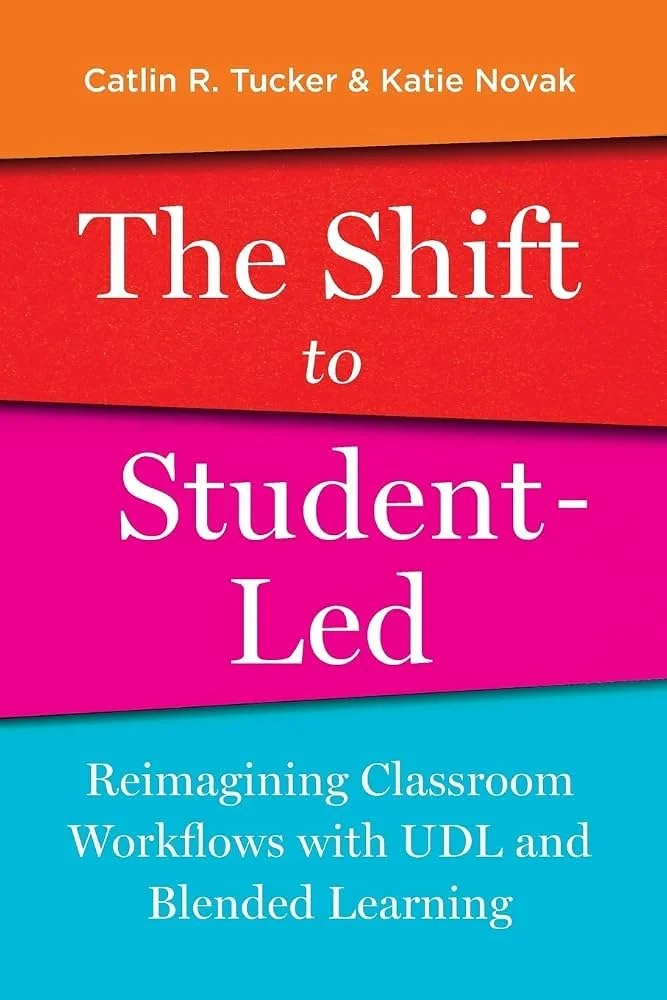
The Shift to Student-Led by Catlin Tucker
The Shift to Student-Led provides a practical roadmap for moving from teacher-centered instruction to classrooms where students take greater ownership of their learning. Catlin Tucker shares research-based strategies that help teachers increase student agency through reflection, goal setting, personalized learning, and meaningful choice.
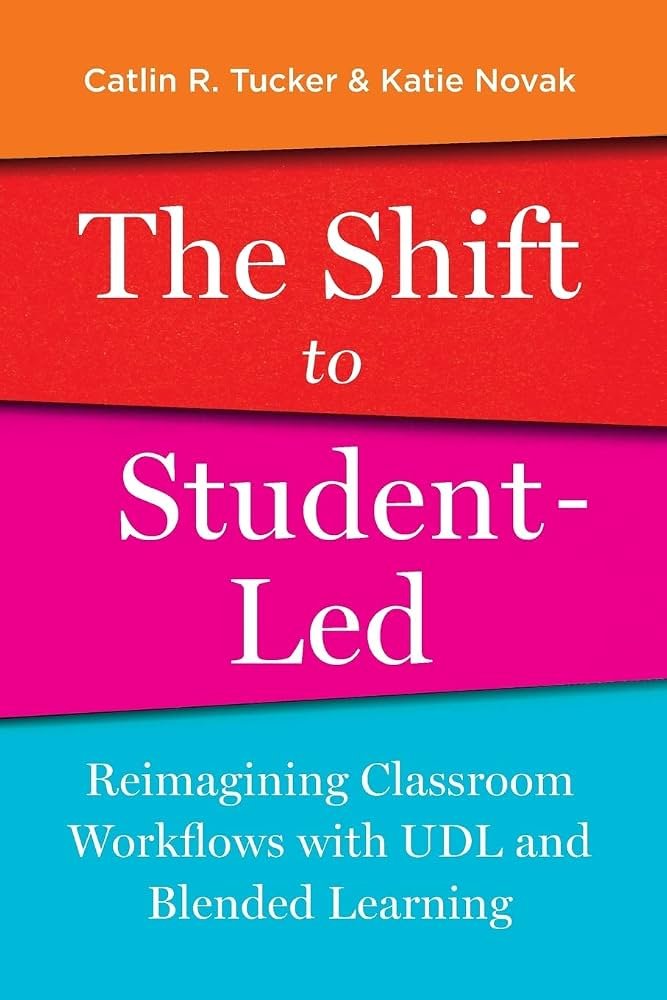
The Shift to Student-Led provides a practical roadmap for moving from teacher-centered instruction to classrooms where students take greater ownership of their learning. Catlin Tucker shares research-based strategies that help teachers increase student agency through reflection, goal setting, personalized learning, and meaningful choice.
Teachers and instructional coaches will appreciate the book's actionable ideas for creating learning experiences that empower students to become active participants in the learning process. Tucker demonstrates how small instructional shifts can lead to greater engagement, independence, and motivation.
While every chapter offers valuable insights, educators will find the sections on student agency, learner ownership, and classroom culture especially helpful for building more student-centered classrooms.
Topics included in the book:
Student agency
Goal setting
Reflection
Personalized learning
Learner ownership
Classroom culture
Why would a teacher want to read this?
This resource provides practical strategies for increasing student motivation, engagement, and independence. Teachers will leave with ideas that help students become self-directed learners while creating classrooms where learners take greater ownership of their growth. Instructional coaches will also find this book to be an excellent resource for supporting teachers as they shift toward more student-centered instructional practices.
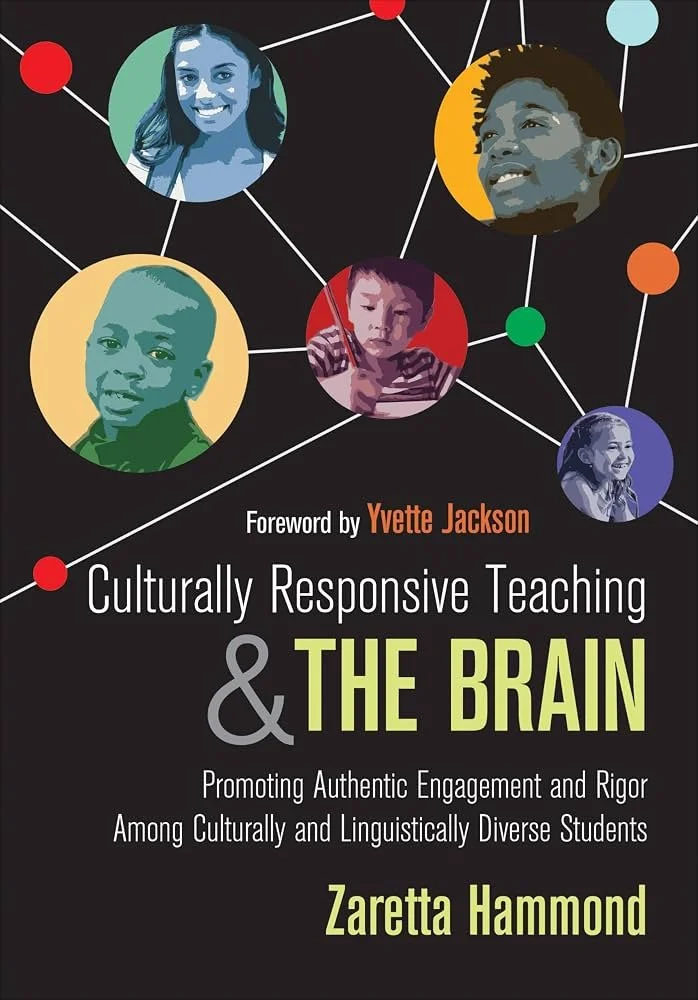
Culturally Responsive Teaching and the Brain by Zaretta Hammond
Culturally Responsive Teaching and the Brain combines neuroscience and educational research to help educators understand how culture influences learning, engagement, and academic achievement. Zaretta Hammond provides a framework for creating learning environments where all students are challenged, supported, and empowered to become independent learners.
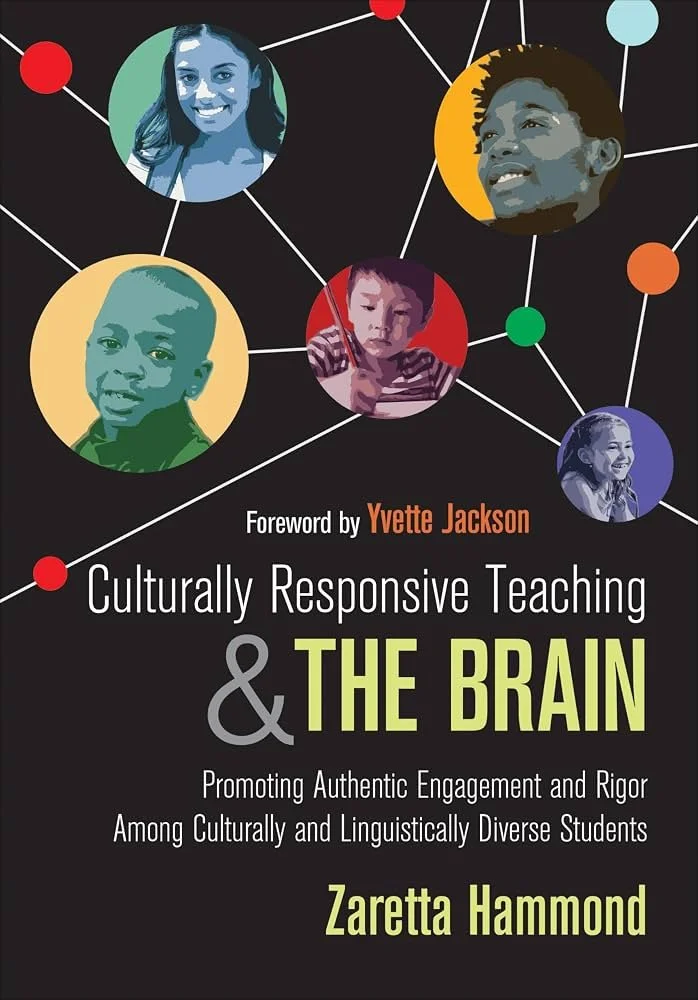
Culturally Responsive Teaching and the Brain combines neuroscience and educational research to help educators understand how culture influences learning, engagement, and academic achievement. Zaretta Hammond provides a framework for creating learning environments where all students are challenged, supported, and empowered to become independent learners.
Teachers and instructional coaches will appreciate the book's practical strategies for building meaningful learning partnerships with students while promoting equity and high expectations. Hammond connects research to classroom practice, helping educators better understand how culturally responsive teaching strengthens both relationships and learning.
While every chapter offers valuable insights, educators will find the sections on brain-based learning, student engagement, and fostering learner independence especially beneficial for creating classrooms where every student can thrive.
Topics included in the book:
Culturally responsive teaching
Brain-based learning
Learning partnerships
Student engagement
Equity and access
Independent learning
Why would a teacher want to read this?
This resource helps educators better understand how culture impacts learning and provides practical strategies for creating classrooms where every student feels valued, challenged, and capable of success. Instructional coaches will also find this book to be an excellent resource for facilitating conversations about equity, engagement, and instructional practices that support all learners.
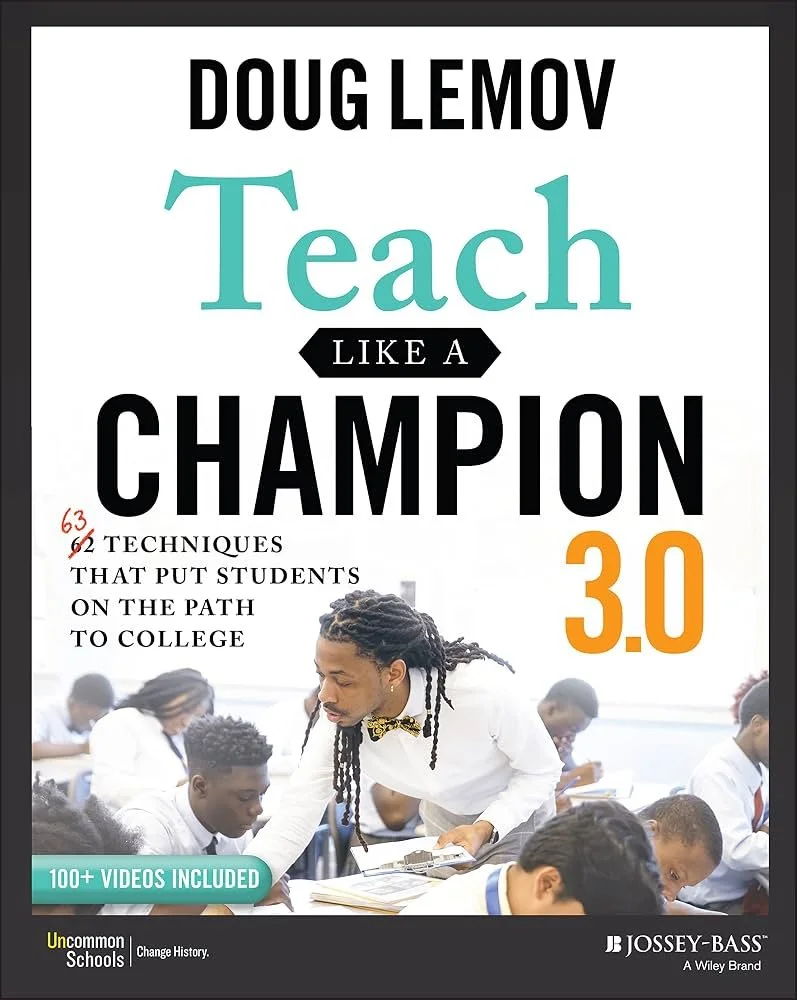
Teach Like a Champion 3.0 by Doug Lemov
Teach Like a Champion 3.0 is a practical guide filled with research-based instructional techniques that help teachers create engaging, rigorous, and high-performing classrooms. Drawing from observations of exceptional educators, Doug Lemov shares concrete strategies that strengthen lesson delivery, classroom culture, student thinking, and academic achievement. The third edition expands on previous versions by placing greater emphasis on student discussion, critical thinking, and meaningful engagement.
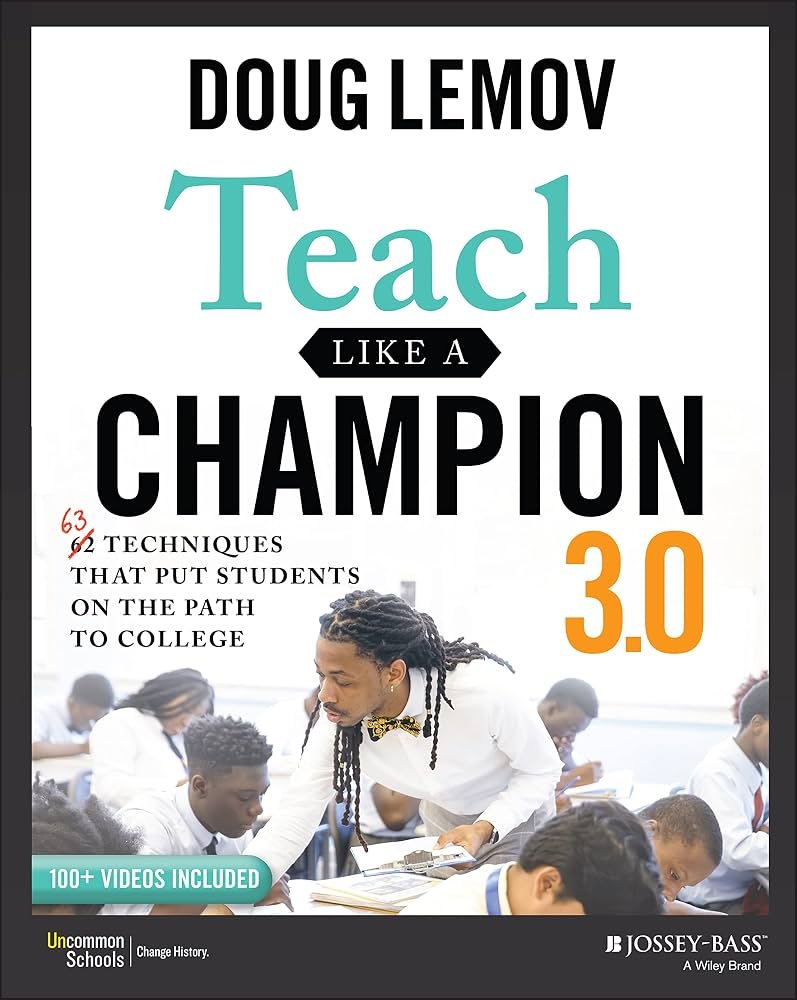
Teach Like a Champion 3.0 is a practical guide filled with research-based instructional techniques that help teachers create engaging, rigorous, and high-performing classrooms. Drawing from observations of exceptional educators, Doug Lemov shares concrete strategies that strengthen lesson delivery, classroom culture, student thinking, and academic achievement. The third edition expands on previous versions by placing greater emphasis on student discussion, critical thinking, and meaningful engagement.
Teachers and instructional coaches will appreciate that the book provides immediately applicable techniques that can be incorporated into everyday instruction. Each strategy is supported with classroom examples and practical explanations, making it easy for educators to reflect on and refine their instructional practices.
While every chapter offers valuable insights, educators will find the sections on questioning techniques, checking for understanding, classroom discussion, and building a strong academic culture especially helpful for improving student learning and engagement.
Topics included in the book:
Classroom discussion
Checking for understanding
Student engagement
Academic culture
Lesson execution
Teacher questioning
High-impact instructional techniques
Why would a teacher want to read this?
This resource provides practical, evidence-based strategies that can immediately strengthen classroom instruction. Teachers will gain concrete techniques to increase student engagement, improve classroom culture, and ensure all students are actively thinking and participating in learning. Instructional coaches will also find this book to be an excellent resource for supporting teacher growth, facilitating professional learning, and strengthening instructional practices across grade levels and content areas.
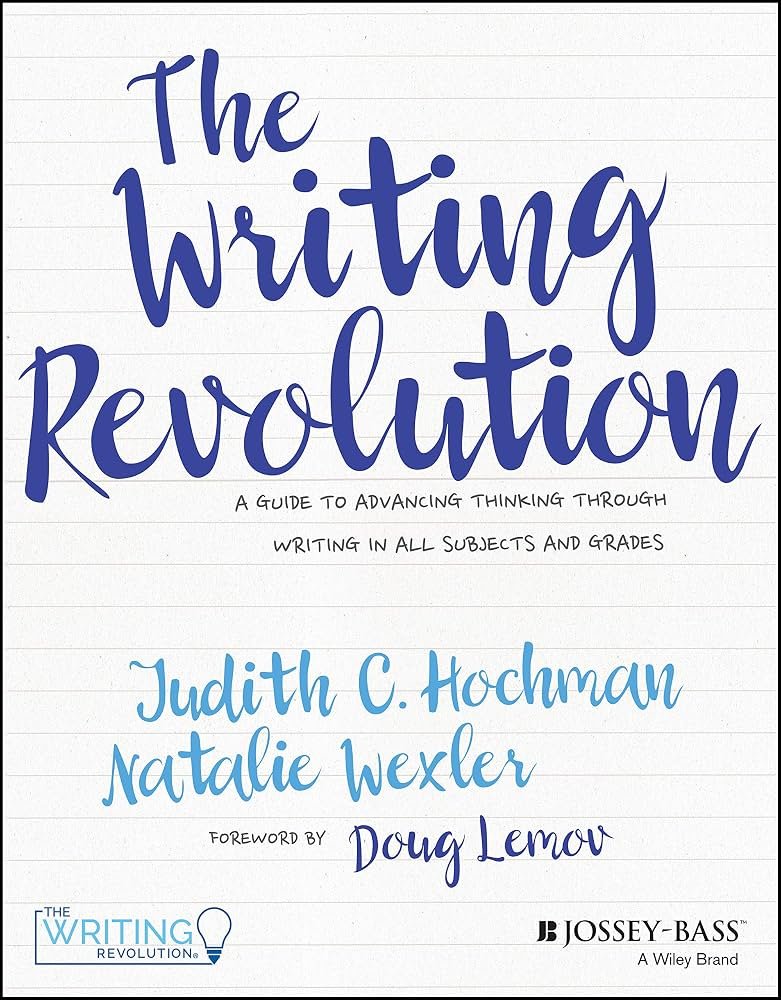
The Writing Revolution by Judith C. Hochman & Natalie Wexler
The Writing Revolution demonstrates how explicit writing instruction can improve not only students' writing skills but also their reading comprehension, critical thinking, and content knowledge. Rather than viewing writing as a separate subject, the authors provide a practical framework for integrating writing into daily instruction across all content areas and grade levels.
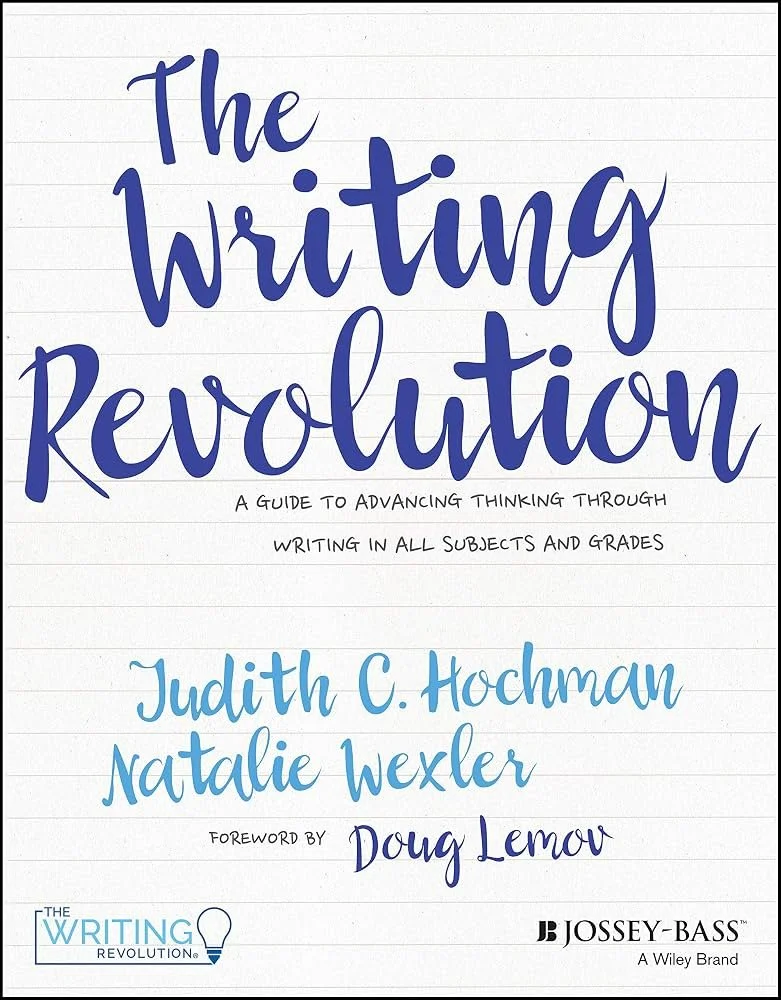
The Writing Revolution demonstrates how explicit writing instruction can improve not only students' writing skills but also their reading comprehension, critical thinking, and content knowledge. Rather than viewing writing as a separate subject, the authors provide a practical framework for integrating writing into daily instruction across all content areas and grade levels.
Teachers and instructional coaches will appreciate the book's step-by-step approach to teaching writing, beginning with sentence-level activities and gradually building toward more complex writing tasks. The strategies are research-based, easy to implement, and designed to support all learners while strengthening academic achievement.
While every chapter offers practical classroom applications, educators will find the sections on sentence-level instruction, writing across the curriculum, and using writing to deepen content understanding especially valuable for improving instruction in any subject area.
Topics included in the book:
Writing across the curriculum
Sentence-level instruction
Reading comprehension
Knowledge building
Vocabulary development
Critical thinking
Scaffolded writing instruction
Why would a teacher want to read this?
This resource provides practical strategies that help students become stronger writers while deepening their understanding of the content they are learning. Teachers will leave with instructional routines that are easy to incorporate into daily lessons and can be adapted for any grade level or subject area. Instructional coaches will also find this book to be an excellent resource for supporting schoolwide writing initiatives and helping teachers integrate meaningful writing into everyday instruction.
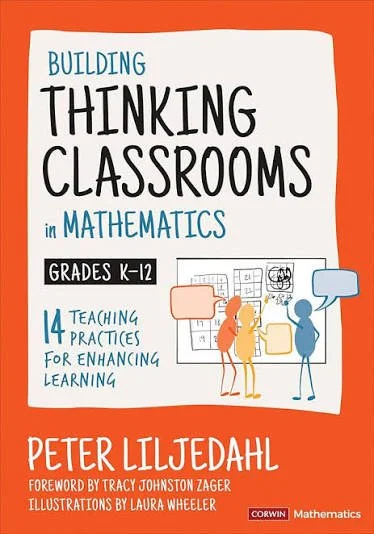
Building Thinking Classrooms in Mathematics by Peter Liljedahl
Although written for mathematics classrooms, this book offers instructional practices that extend far beyond math. Peter Liljedahl challenges many of the traditional structures found in classrooms and provides research-based strategies that encourage students to think, collaborate, and take ownership of their learning.
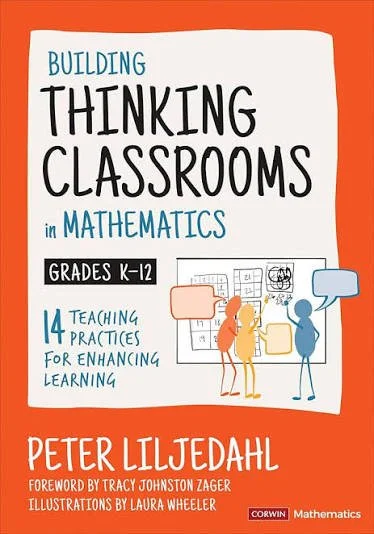
Although written for mathematics classrooms, this book offers instructional practices that extend far beyond math. Peter Liljedahl challenges many of the traditional structures found in classrooms and provides research-based strategies that encourage students to think, collaborate, and take ownership of their learning.
Teachers and instructional coaches will appreciate that the book doesn't just explain why students should do more of the thinking—it provides practical routines that can be implemented immediately. Many of the ideas, including collaborative problem solving, purposeful tasks, and student discourse, can be adapted across grade levels and content areas.
While every chapter offers valuable insights, coaches may find the sections on thinking tasks, productive struggle, and creating a classroom culture that values student reasoning especially beneficial for supporting teachers as they refine instructional practices.
Topics included in the book:
Creating a thinking classroom
Thinking tasks that promote reasoning
Student discourse and collaboration
Productive struggle
Classroom culture that supports risk-taking
Formative assessment through observation and discussion
Student engagement and ownership
Why would a teacher want to read this?
This resource is filled with practical strategies that help move classrooms from teacher-centered instruction to student-centered learning. Teachers will walk away with concrete ideas they can implement immediately to increase engagement, encourage meaningful conversations, and develop students' confidence as problem solvers. Instructional coaches will also find this book to be an excellent resource for facilitating professional learning and supporting teachers as they refine instructional practices.