

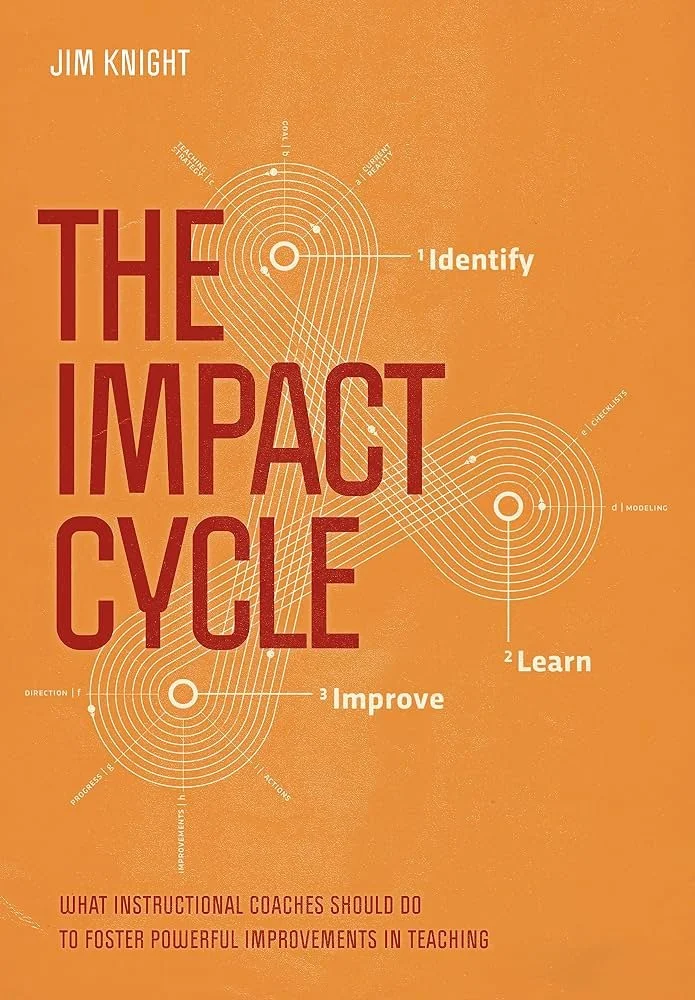
The Impact Cycle by Jim Knight
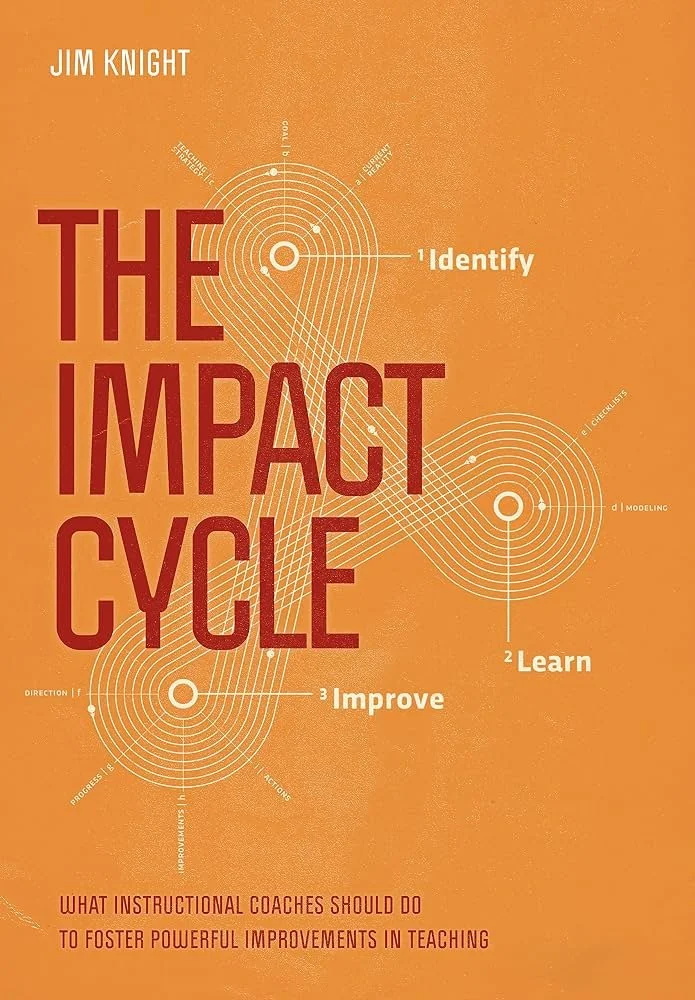
In The Impact Cycle, Jim Knight makes a compelling case for how instructional coaches can make a meaningful difference in professional learning. He outlines what coaching looks like on a day-to-day basis, where coaches should begin, and how to sustain momentum throughout the coaching process. Knight emphasizes that coaching is not simply about logistics, but about effectively supporting teacher learning and professional growth.
In The Impact Cycle, Jim Knight makes a compelling case for how instructional coaches can make a meaningful difference in professional learning. He outlines what coaching looks like on a day-to-day basis, where coaches should begin, and how to sustain momentum throughout the coaching process. Knight emphasizes that coaching is not simply about logistics, but about effectively supporting teacher learning and professional growth.
The book introduces a partnership approach to coaching that helps coaches collaborate with teachers through goal setting, reflection, and ongoing learning conversations. Knight also explains how coaching can be strengthened through effective communication, the use of data, and a shared commitment to continuous improvement.
While every chapter offers valuable insights, coaches may find the sections on partnership coaching, goal setting, and learning conversations especially useful as they establish and refine their coaching practice.
Topics included in the book:
Enrolling teachers in a coaching partnership
Facilitating learning conversations
The three-part coaching partnership process
Areas of focus for teacher goal setting, "The Big Four"
Using data to support coaching
Why would a coach want to read this?
This book provides an excellent introduction to instructional coaching by explaining what coaching is, why it matters, and how to get started. The learning maps included at the beginning of each chapter offer helpful overviews of the content, while the Instructional Coach's Toolkit provides practical resources that coaches can immediately apply to their work.
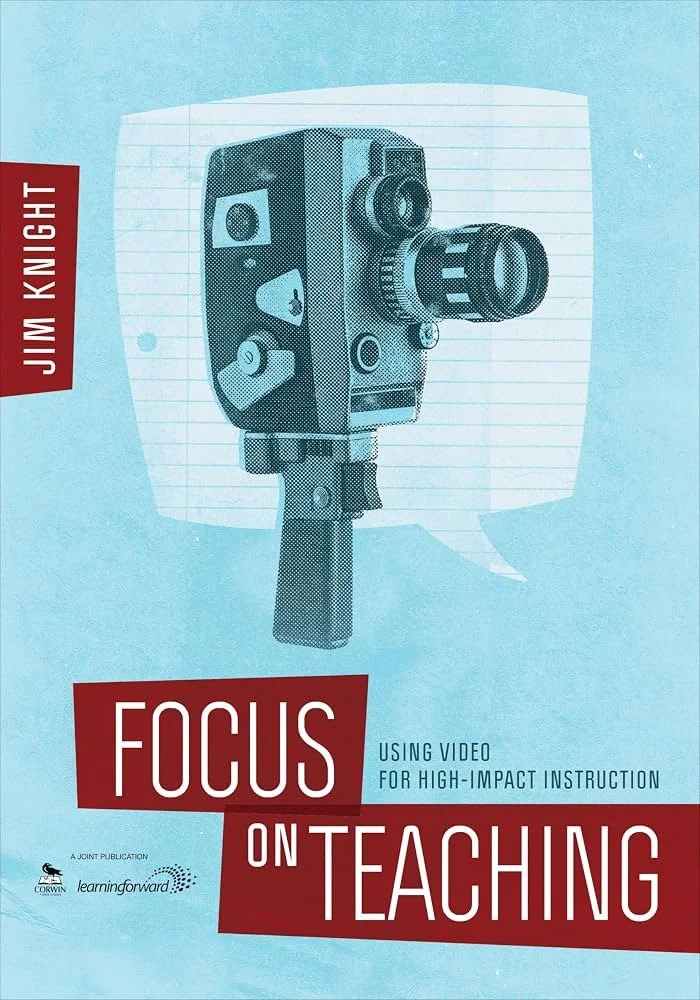
Focus On Teaching: Using Videos for High-Impact Instruction by Jim Knight
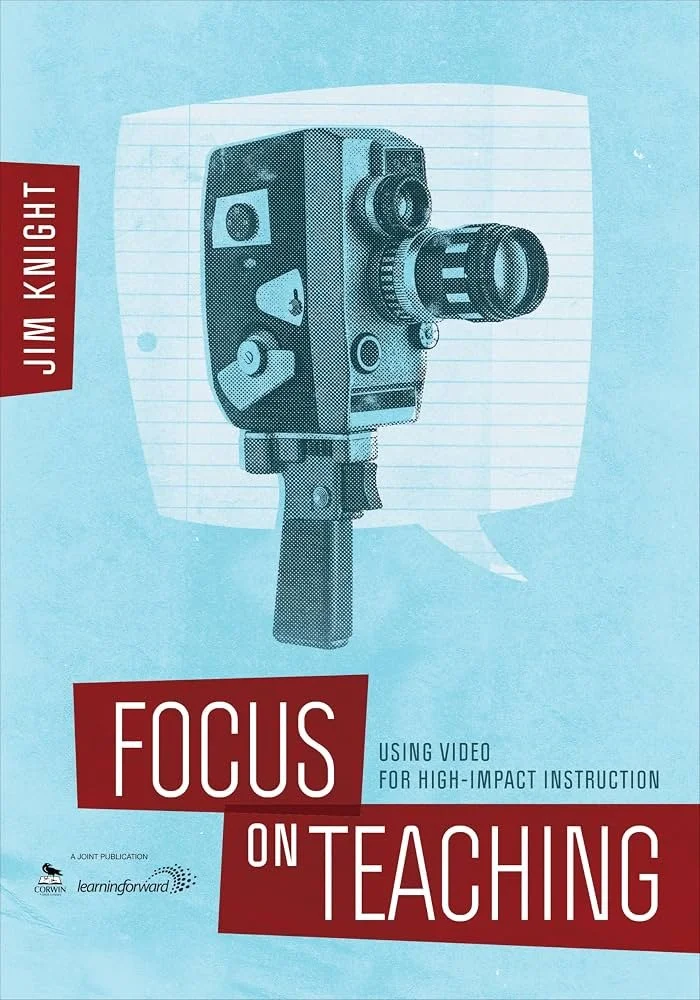
Video has the power to transform professional learning. In Focus On Teaching, Jim Knight explores the potential of video recording to improve teaching, coaching, and professional growth. He demonstrates how video can help educators better understand their current instructional practices while providing a clear process for using video to promote teacher effectiveness and continuous improvement.
Video has the power to transform professional learning. In Focus On Teaching, Jim Knight explores the potential of video recording to improve teaching, coaching, and professional growth. He demonstrates how video can help educators better understand their current instructional practices while providing a clear process for using video to promote teacher effectiveness and continuous improvement.
Knight explains how video can be integrated into instructional coaching, professional learning communities, and administrator feedback to maximize professional learning. He also shares practical strategies for using video to create immediate and lasting improvements in classroom instruction.
While every chapter offers valuable insights, coaches may find the sections on video coaching, reflection protocols, and ethical use of classroom recordings especially beneficial when supporting teacher growth.
Topics included in the book:
Strategies for using video with teachers, instructional coaches, teams, and administrators
Tips for ensuring video recordings are used ethically and comfortably for teachers and students
Protocols, data collection tools, and reflection guides for analyzing classroom video
Why would a coach want to read this?
This book provides practical strategies and a strong rationale for incorporating video into instructional coaching. Coaches will gain tools to help teachers reflect on their practice while learning how to structure meaningful coaching conversations around classroom video. The numerous protocols and resources make this an excellent guide for implementing video coaching effectively.
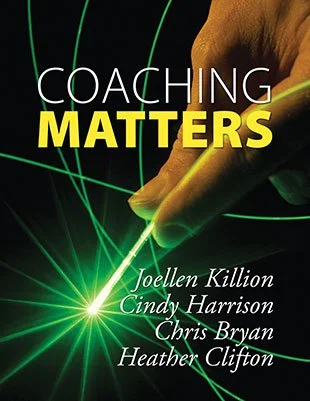
Coaching Matters by Joellen Killion, Cindy Harrison, Chris Bryan, & Heather Clifton
Published by Learning Forward, Coaching Matters was written as a resource to support and strengthen the practice and results of instructional coaching. The book provides guidance not only for coaches themselves, but also for the administrators and leaders who support and supervise coaching programs. It addresses the conditions, structures, and supports that should be in place to help coaching positively impact teacher effectiveness and student learning.
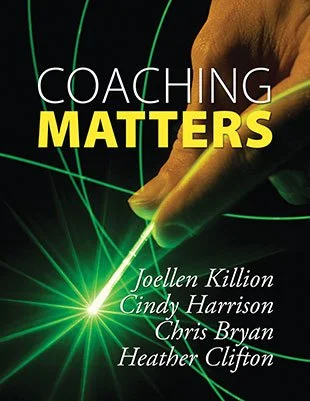
Published by Learning Forward, Coaching Matters was written as a resource to support and strengthen the practice and results of instructional coaching. The book provides guidance not only for coaches themselves, but also for the administrators and leaders who support and supervise coaching programs. It addresses the conditions, structures, and supports that should be in place to help coaching positively impact teacher effectiveness and student learning.
The authors provide practical guidance for developing successful coaching programs while emphasizing the importance of collaboration between coaches and school leaders. Throughout the book, readers will find strategies for supporting coaches, strengthening coaching systems, and evaluating the effectiveness of coaching programs.
While every chapter offers valuable insights, coaches and administrators may find the sections on coaching models, professional learning, and program evaluation especially helpful when building or strengthening a coaching program.
Topics included in the book:
An introduction to different coaching models
Ways administrators can support instructional coaches
Professional learning that supports the needs of coaches
Suggestions for evaluating coaches and coaching programs
Why would a coach want to read this?
This book is an excellent resource for schools or districts developing a coaching program or those that are early in their coaching journey. Although the primary audience is instructional coaches, it is equally valuable for administrators who supervise and support coaches. The numerous examples, real-world scenarios, and downloadable resources from Learning Forward make this a practical guide for strengthening coaching programs.
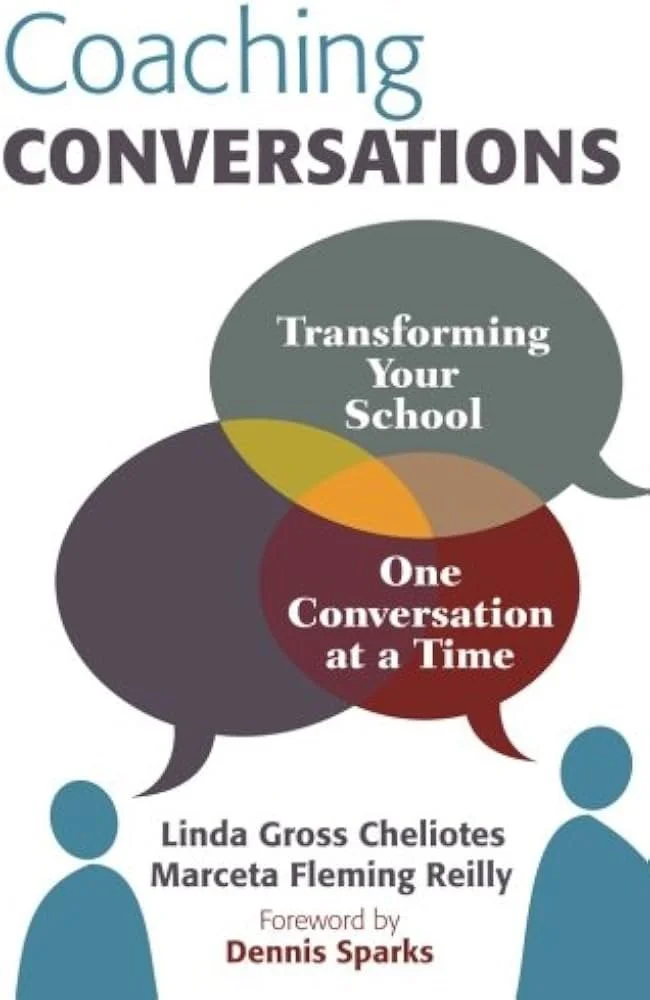
Coaching Conversations: Transforming Your School One Conversation at a Time by Linda Gross Cheliotes & Marceta Fleming Reilly
As the subtitle suggests, this book has a school improvement focus. That being said, it is an excellent resource for both new and experienced instructional coaches. The book centers on the primary way coaches support teachers—through purposeful conversations. New coaches will find practical guidelines and suggestions for ensuring conversations remain focused on the intended goals and outcomes.
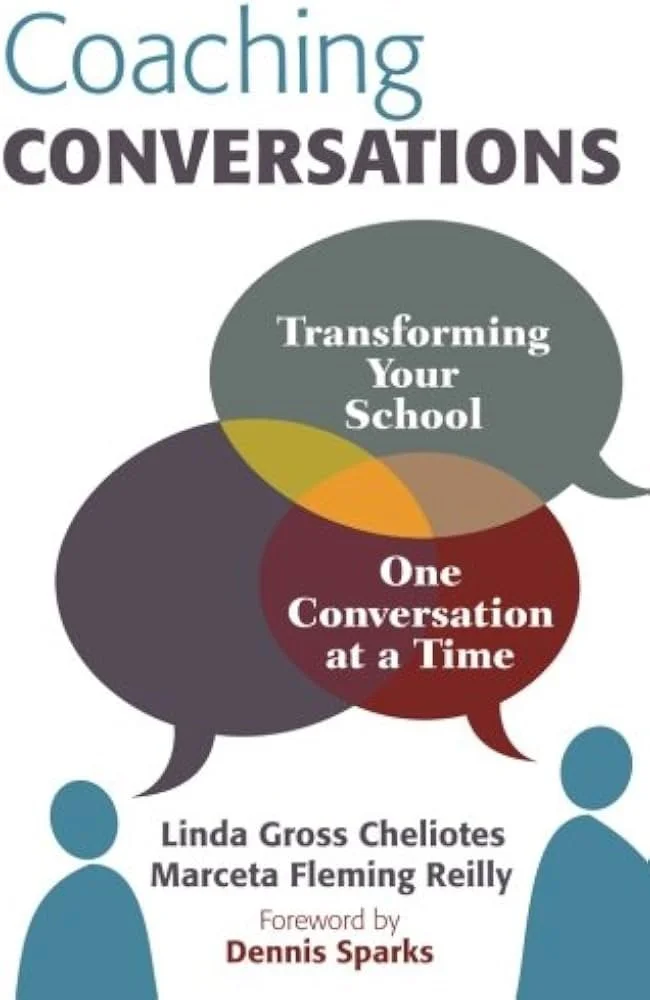
As the subtitle suggests, this book has a school improvement focus. That being said, it is an excellent resource for both new and experienced instructional coaches. The book centers on the primary way coaches support teachers—through purposeful conversations. New coaches will find practical guidelines and suggestions for ensuring conversations remain focused on the intended goals and outcomes.
Although only 109 pages long, this book is filled with practical strategies that coaches can immediately apply to their work. Coaches will benefit especially from Chapter 3: Committed Listening, Chapter 4: Powerful Speaking, and Chapter 5: Reflective Feedback. The Listening Skills Self-Assessment included in the book is also a valuable tool for strengthening both coaching and teaching practices.
While every chapter offers valuable insights, coaches may find the sections on listening, questioning, and reflective feedback especially helpful for developing stronger communication skills and building more effective coaching partnerships.
Topics included in the book:
Models for coaching conversations
Components of committed listening and an aligned assessment
Powerful speaking through intentions and questioning
Three types of feedback, with an emphasis on reflective feedback
Why would a coach want to read this?
This resource focuses on the importance of effective communication in coaching, with an emphasis on both listening and speaking. The authors provide practical guidance, easy-to-use self-assessments, and strategies that help coaches strengthen their communication skills and facilitate more meaningful coaching conversations.
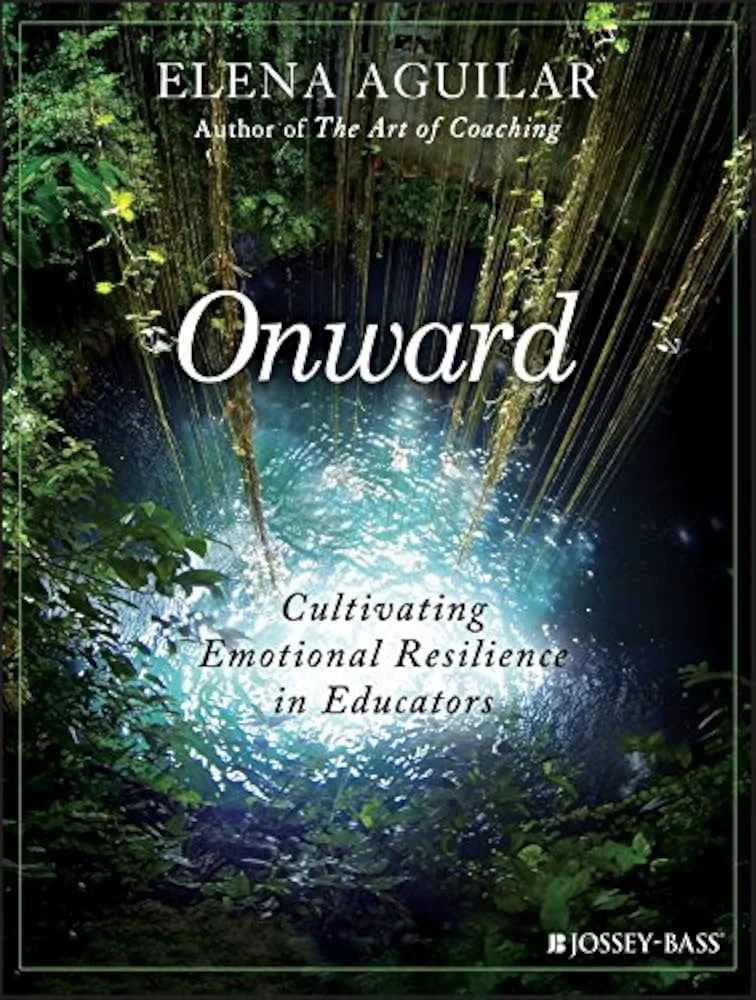
Onward by Elena Aguilar
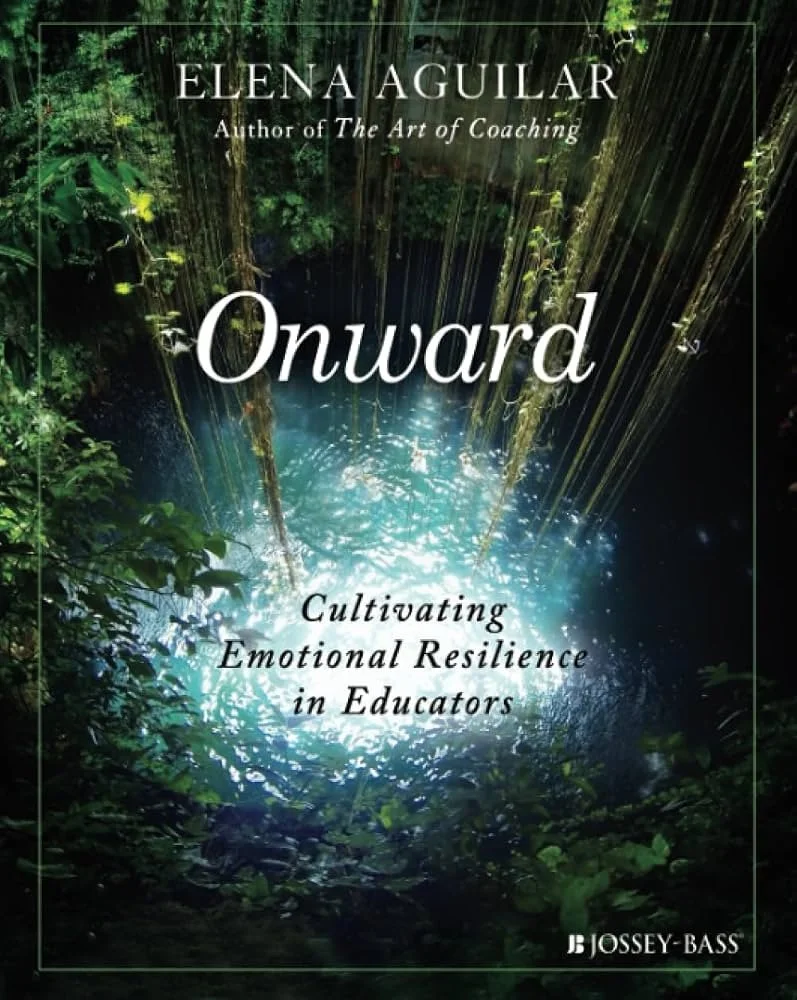
Onward tackles the problem of educator stress and provides a practical framework for taking the burnout out of teaching. Stress is part of the job, but when 70 percent of teachers leave within their first five years because it is making them physically and mentally ill, things have gone too far. These effects are especially evident in difficult-to-fill positions, such as math, science, and foreign languages, as well as in urban and secondary classrooms—places where we need teachers to be especially motivated and engaged.
Onward tackles the problem of educator stress and provides a practical framework for taking the burnout out of teaching. Stress is part of the job, but when 70 percent of teachers leave within their first five years because it is making them physically and mentally ill, things have gone too far. These effects are especially evident in difficult-to-fill positions, such as math, science, and foreign languages, as well as in urban and secondary classrooms—places where we need teachers to be especially motivated and engaged.
Aguilar offers a path to resilience by helping educators weather the storms of teaching, bounce back from challenges, and work toward creating healthier, more sustainable school environments. Through practical strategies and reflection, the book provides tools to help educators strengthen their well-being while continuing to support student success.
While every chapter offers valuable insights, coaches may find the sections on resilience, self-awareness, communication, and community building especially beneficial when supporting teachers through the challenges of the profession.
Topics included in the book:
Cultivating resilience through a four-part framework based on 12 key habits
Uncovering your true self, understanding emotions, and using your energy where it counts
Adopting a mindful, storytelling approach to communication and community building
Continuing to learn, play, and create to foster a culture of collective celebration
Why would a coach want to read this?
By cultivating resilience in schools, coaches can help create environments where educators feel supported and students thrive. Onward provides practical strategies for helping teachers navigate challenges, strengthen their well-being, and sustain their passion for teaching while fostering healthier school communities.
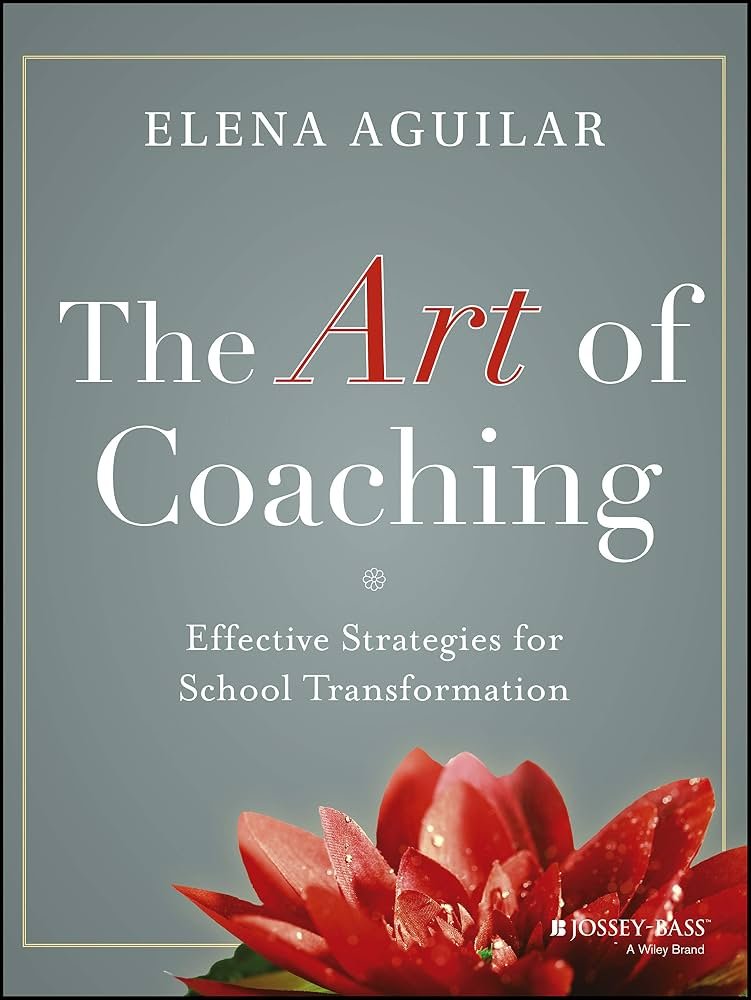
The Art of Coaching by Elena Aguilar
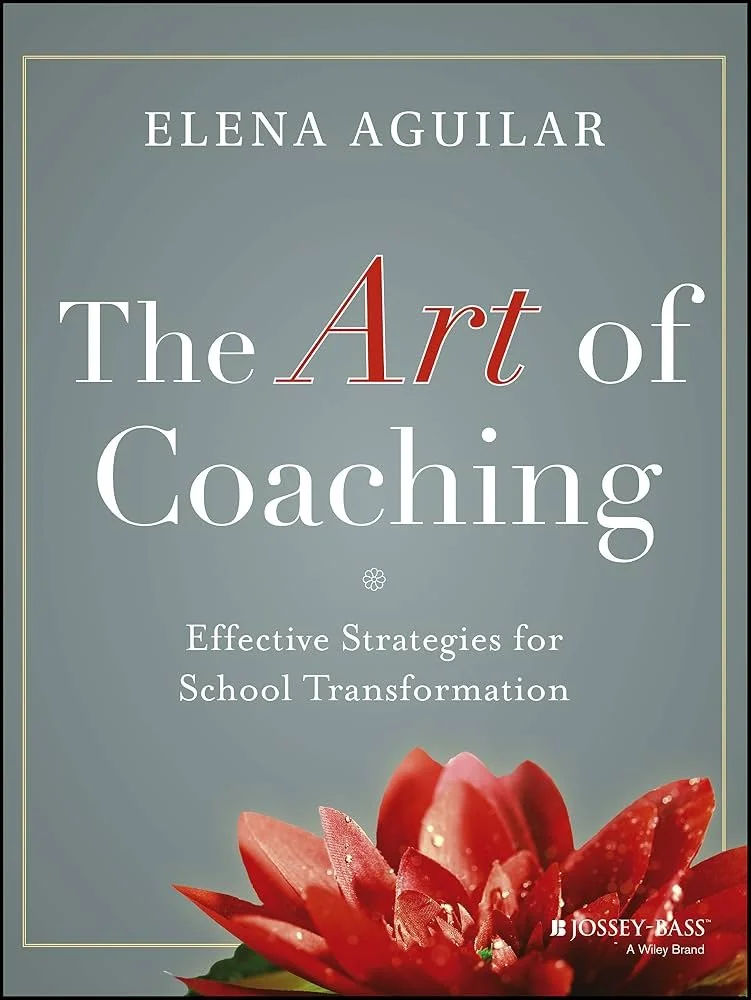
This comprehensive book describes not only what coaches do, but also what they think and value. The Art of Coaching encourages readers to examine their beliefs, develop a coaching manifesto, and create an effective coaching work plan. Aguilar explores topics such as building trusting relationships, planning coaching sessions, listening and questioning strategies, facilitating different types of coaching conversations, and more.
This comprehensive book describes not only what coaches do, but also what they think and value. The Art of Coaching encourages readers to examine their beliefs, develop a coaching manifesto, and create an effective coaching work plan. Aguilar explores topics such as building trusting relationships, planning coaching sessions, listening and questioning strategies, facilitating different types of coaching conversations, and more.
Throughout the book, Aguilar provides practical tools, including rubrics, question stems, and reflection activities that coaches can immediately apply to their work. The combination of research, reflection, and practical application makes this a valuable resource for both new and experienced instructional coaches.
While every chapter offers valuable insights, coaches may find the sections on building trust, coaching conversations, and questioning strategies especially beneficial as they develop their coaching practice.
Topics included in the book:
Building trusting relationships
Developing a coaching work plan
Listening and questioning
Facilitating coaching conversations and activities
Technical tips and common challenges
Why would a coach want to read this?
This book provides practical guidance for leading meaningful coaching conversations. Coaches will learn how to listen with intention, ask questions that promote reflection, guide productive conversations, and respond effectively to a variety of coaching situations. The practical tools and examples included throughout the book make it an excellent resource for strengthening coaching practice.
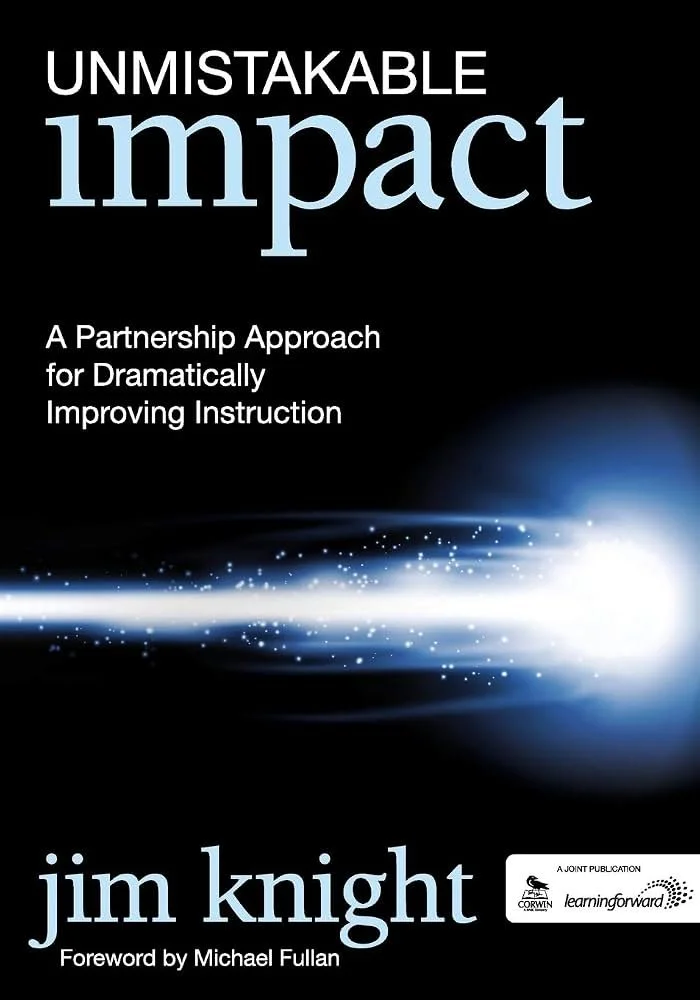
Unmistakable Impact: A Partnership Approach for Dramatically Improving Instruction by Jim Knight
Although written with a school improvement focus, Unmistakable Impact contains valuable tools for both new and experienced instructional coaches. Jim Knight explores his Partnership Principles, which include equality, choice, voice, reflection, dialogue, praxis, and reciprocity. These principles provide a strong foundation for coaching relationships while emphasizing collaboration and shared learning.
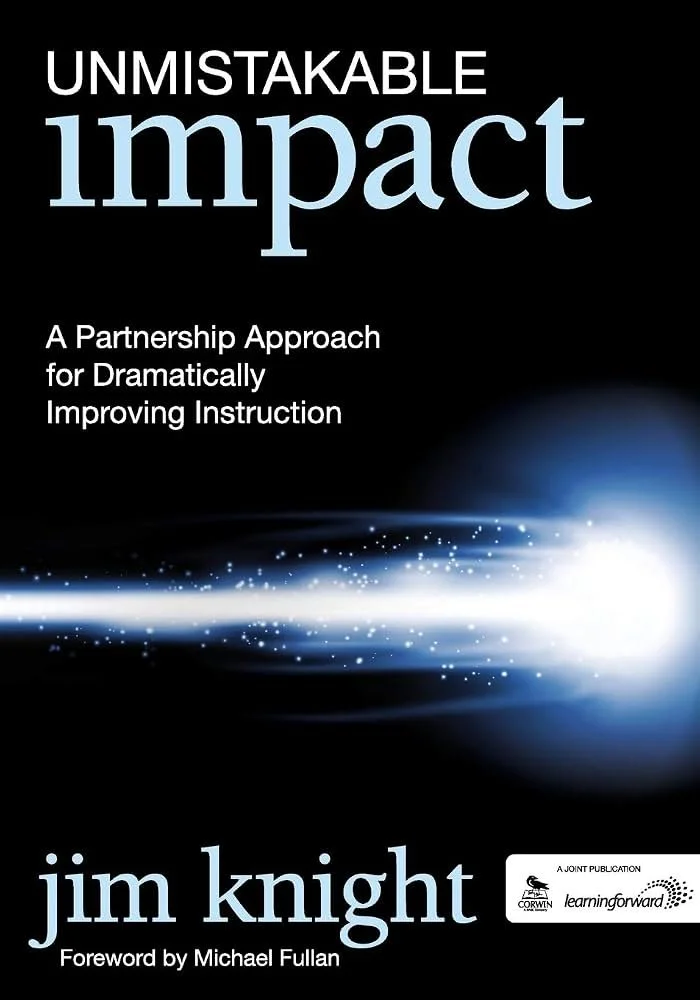
Although written with a school improvement focus, Unmistakable Impact contains valuable tools for both new and experienced instructional coaches. Jim Knight explores his Partnership Principles, which include equality, choice, voice, reflection, dialogue, praxis, and reciprocity. These principles provide a strong foundation for coaching relationships while emphasizing collaboration and shared learning.
In addition to explaining the Partnership Principles, Knight provides practical tools to help coaches collect classroom data, facilitate reflective conversations, and design meaningful follow-up questions. The chapters on instructional coaching and professional learning workshops offer practical guidance for coaches and professional development facilitators alike.
While every chapter offers valuable insights, coaches may find the sections on partnership principles, classroom data collection, and adult learning especially helpful for strengthening both coaching conversations and school improvement efforts.
Topics included in the book:
Defining Impact Schools and their purpose
Partnership principles: equality, choice, voice, reflection, dialogue, praxis, and reciprocity
The roles of coaches and principals in Impact Schools
Adult learning through workshops, learning teams, and communication
Why would a coach want to read this?
This book provides a systems view of instructional improvement and highlights the vital role instructional coaches play in supporting teacher growth. Coaches who participate in school improvement initiatives, strategic planning, or professional learning will find this resource especially valuable for strengthening both coaching practices and organizational improvement.