


Recommended Readings
Recommended Readings: Instructional Coaching
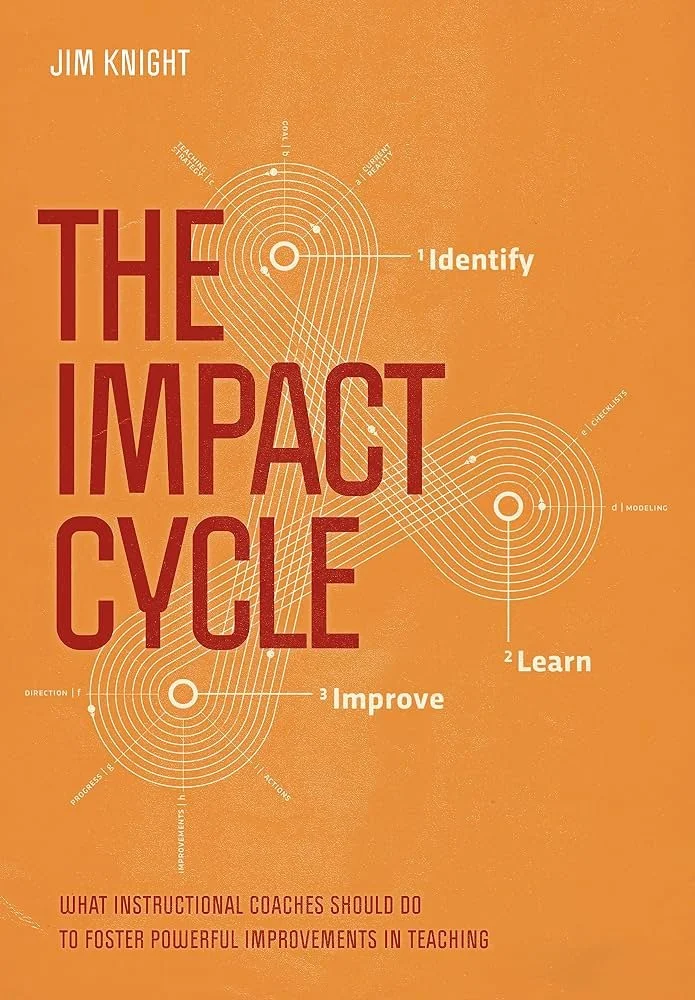
In The Impact Cycle, Jim Knight makes a compelling case for how instructional coaches can make a meaningful difference in professional learning. He outlines what coaching looks like on a day-to-day basis, where coaches should begin, and how to sustain momentum throughout the coaching process. Knight emphasizes that coaching is not simply about logistics, but about effectively supporting teacher learning and professional growth.
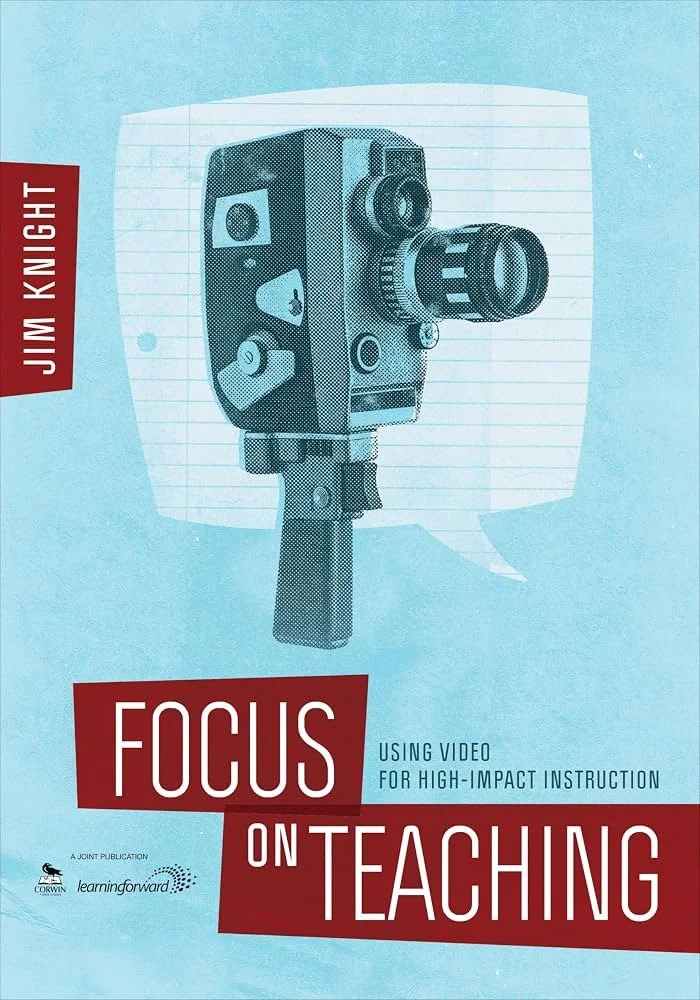
Video has the power to transform professional learning. In Focus On Teaching, Jim Knight explores the potential of video recording to improve teaching, coaching, and professional growth. He demonstrates how video can help educators better understand their current instructional practices while providing a clear process for using video to promote teacher effectiveness and continuous improvement.
Published by Learning Forward, Coaching Matters was written as a resource to support and strengthen the practice and results of instructional coaching. The book provides guidance not only for coaches themselves, but also for the administrators and leaders who support and supervise coaching programs. It addresses the conditions, structures, and supports that should be in place to help coaching positively impact teacher effectiveness and student learning.
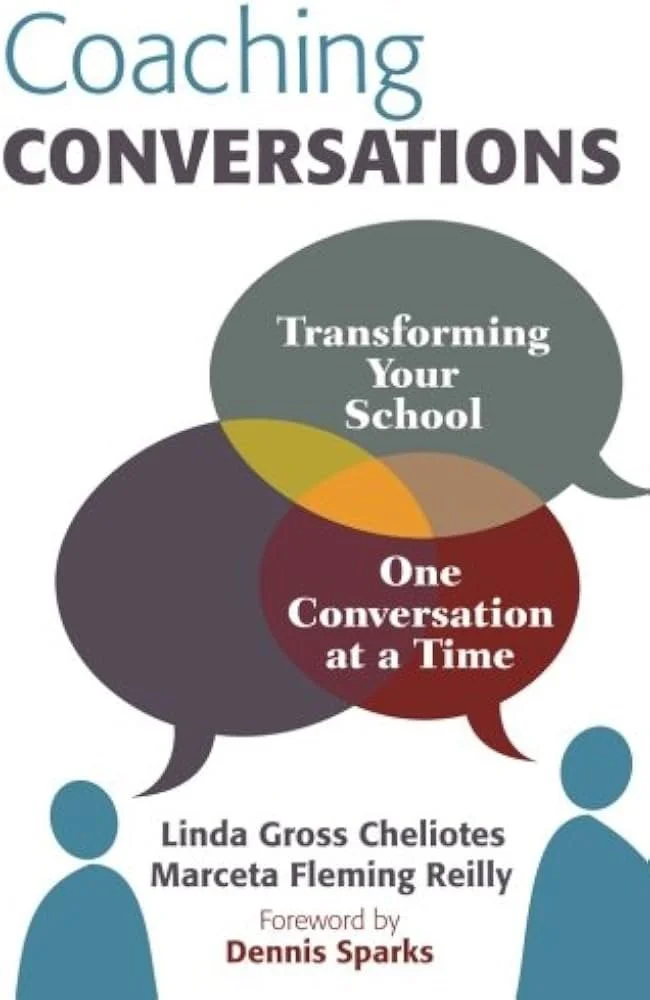
As the subtitle suggests, this book has a school improvement focus. That being said, it is an excellent resource for both new and experienced instructional coaches. The book centers on the primary way coaches support teachers—through purposeful conversations. New coaches will find practical guidelines and suggestions for ensuring conversations remain focused on the intended goals and outcomes.
Onward tackles the problem of educator stress and provides a practical framework for taking the burnout out of teaching. Stress is part of the job, but when 70 percent of teachers leave within their first five years because it is making them physically and mentally ill, things have gone too far. These effects are especially evident in difficult-to-fill positions, such as math, science, and foreign languages, as well as in urban and secondary classrooms—places where we need teachers to be especially motivated and engaged.
This comprehensive book describes not only what coaches do, but also what they think and value. The Art of Coaching encourages readers to examine their beliefs, develop a coaching manifesto, and create an effective coaching work plan. Aguilar explores topics such as building trusting relationships, planning coaching sessions, listening and questioning strategies, facilitating different types of coaching conversations, and more.
Although written with a school improvement focus, Unmistakable Impact contains valuable tools for both new and experienced instructional coaches. Jim Knight explores his Partnership Principles, which include equality, choice, voice, reflection, dialogue, praxis, and reciprocity. These principles provide a strong foundation for coaching relationships while emphasizing collaboration and shared learning.